
Classical Art Sculptures for Indian Homes — The 2026 Decor Shift
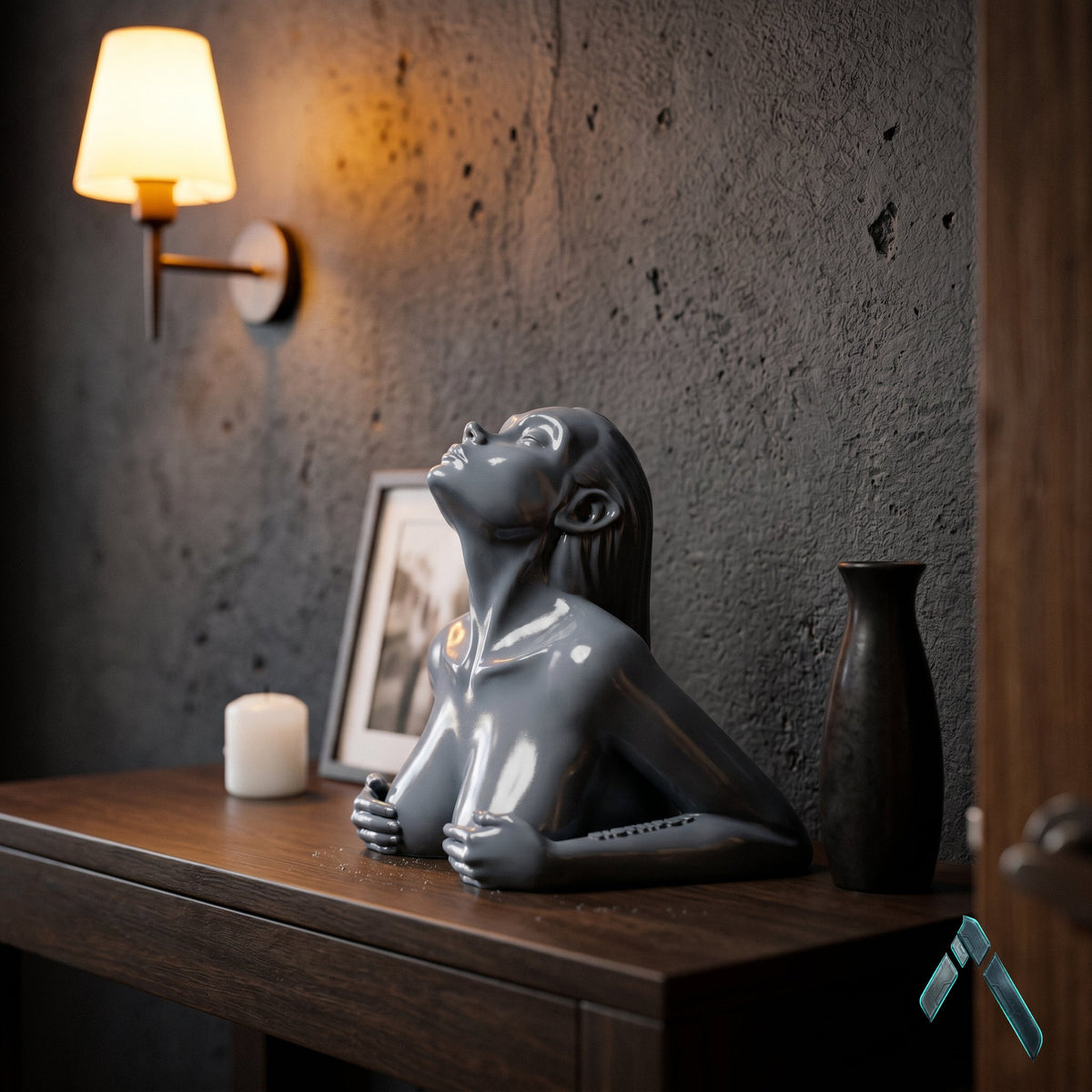
You've seen it on every "aesthetic room tour" lately — a David bust on the shelf, a Venus de Milo on the bookcase, an Egyptian cat keeping watch on the nightstand. What used to feel like "museum stuff" has quietly become the most desired statement piece in Indian homes. And honestly? It makes complete sense.
There's something about classical sculpture that mass-produced decor can never replicate. A factory-moulded plastic figurine fills a shelf. A handcrafted David bust commands one. The weight of history, the quiet drama of the form — these pieces don't just sit there. They tell you something about the person who chose them.

Why Indian Homes Are Falling for Ancient Aesthetics
India has always had a deep relationship with sculptural art. Walk into any traditional household and you'll find carefully placed deity figures, brass idols, or stone carvings that hold meaning well beyond decoration. The new generation of collectors is simply extending that instinct — beyond religious iconography, into the broader world of classical art.
Greek busts, Egyptian mythology, Roman figures — these aren't foreign aesthetics. They're universal ones. And as Indian interiors move toward darker, more layered design languages — rich textures, muted palettes, purposeful objects — classical sculpture slots in perfectly. It doesn't compete with the room. It becomes the room's focal point.
Interior design trends in 2026 are doubling down on "storytelling spaces" — homes that reflect who you are, not just what's on sale at a mall. Classical sculptures are the easiest way to anchor that story.
The Pieces That Actually Matter
Not all classical sculpture works in a modern Indian home. Here's what's earning shelf space right now:
The David Bust — Michelangelo's David is arguably the most recognizable sculpture in human history. A well-crafted bust brings that weight and gravitas into your space without needing a 17-foot marble original. Placed on a bookcase, console table, or work desk, it signals taste without screaming for attention.
Venus de Milo — The Venus works anywhere from a living room side table to a bathroom shelf (yes, really). There's a reason this form has endured 2,000+ years — it's simply one of the most harmonious compositions in sculpture history.
Nefertiti Bust — Queen of Egypt, face of an era. The Nefertiti bust carries an edge that the Greek pieces don't — regal, a little mysterious, and deeply photogenic. Indian collectors who want something that feels more editorial tend to gravitate here.
Egyptian Bastet Cat — If you own a cat, you already know. If you don't, this might convert you. The Egyptian cat goddess is sleek, architectural, and works as effortlessly in a bedroom as in an entryway.

The India Buyer Reality
Here's the honest bit — the reason most Indian collectors haven't picked up classical sculptures is import hassle and price. The "good stuff" from European brands runs ₹8,000–₹25,000+ once you add customs, shipping delays, and the gamble of whether it arrives intact.
That gap is exactly where a brand like Archadia Decors exists. These are handmade, hand-cast resin pieces crafted in India — so there's no customs headache, no 4-week shipping wait, and no "damaged in transit" anxiety. The quality is designed to match the visual standard you're looking for, at a price that makes sense for the Indian buyer.
And for gifting — birthdays, housewarmings, Diwali, or just "because this person has everything" — a classical sculpture is one of those rare gifts that lands perfectly regardless of the recipient's fandom or gaming taste. It's universally beautiful.
Where to Place Them (And What to Avoid)
Getting the placement right is half the work. A few principles:
- Contrast is your friend. Light sculptures against dark walls pop. Dark finish pieces — matte black, charcoal, dark silver — against textured light plaster create depth.
- Height matters. Eye-level or slightly below is the sweet spot. Too low and you lose the drama. Too high and you lose the connection.
- Don't crowd them. Classical sculpture wants breathing room. One strong piece flanked by simple objects — a slim vase, a framed photo — is better than a cluttered collection.
- Lighting seals the deal. A directional warm lamp pointed at a David or Nefertiti bust does something genuinely dramatic. The shadows it creates are part of the composition.

The Real Talk: Will It Actually Look Good in My Home?
The most common hesitation: "I love it online but I'm not sure it'll work in my space." Fair. Here's the thing — classical sculpture is more forgiving than nearly any other decor category. It's neutral in its palette: greys, whites, dark silvers, matte blacks. It doesn't fight with your existing colour scheme. It doesn't clash with your sofa or your wallpaper.
If your room has any kind of character — if you have books on a shelf, plants on a windowsill, artwork on a wall — a classical sculpture will fit. It's one of those rare decor choices that makes everything else around it look more considered.
Your Shelf Is a Statement
There's a version of your space that's just functional. Furniture, lighting, storage. And there's a version that tells you something about the person who lives there. Classical sculpture has been doing that for 2,000+ years — it's not a trend, it's a standard.
The David doesn't care about interior design cycles. The Nefertiti was commanding attention before Instagram existed. If you're building a space that you actually want to live in — not just occupy — these pieces earn their place. Every single one is handmade, hand-cast, not stamped out of a factory mould. That difference shows.
Ready to level up your space?
Explore Archadia Decors' collection of handcrafted classical sculptures, mythology busts, and statement decor pieces at archadiadecors.in. From David and Venus de Milo to Egyptian Bastet and Nefertiti — every piece is hand-cast, made in India, and built to make your space unforgettable.