
Museum Core: Classical Sculptures That Transform Indian Homes
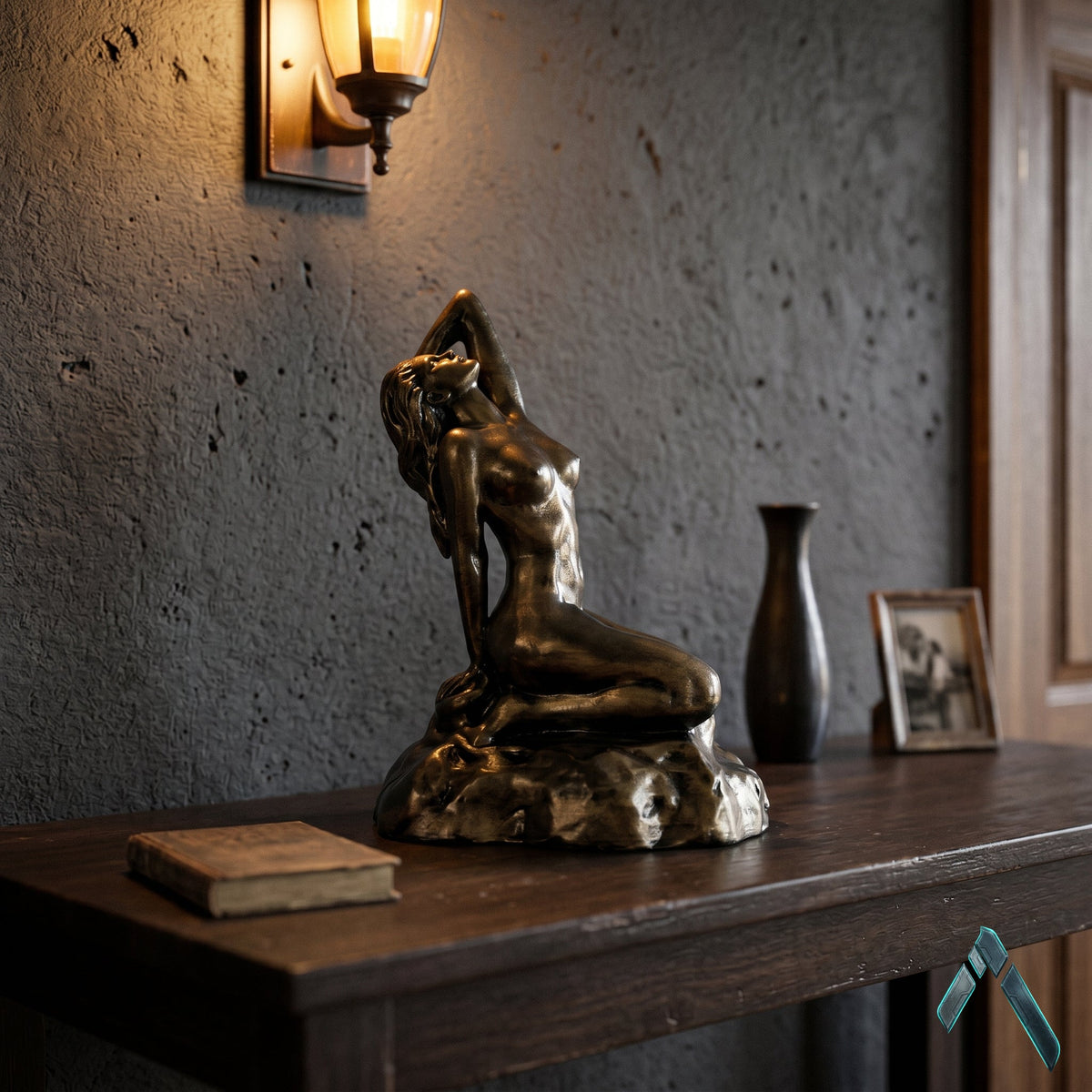
Your home says something about you. Not the sofa, not the paint colour — the objects you choose to display. And right now, the most interesting interiors in India aren't following mass-market trends. They're looking 2,000 years back.
Museum core has landed. Classical sculptures — the David bust, Venus de Milo, the golden Nefertiti — are moving off museum plinths and onto Indian console tables, bookshelves, and entryway corners. If you've been staring at your living room wondering why it feels generic, this is the shift you've been waiting for.

What Exactly Is Museum Core?
Museum core is 2026's dominant aesthetics movement — and unlike most trend cycles, this one has serious staying power. It's the idea that your personal space should feel curated, intentional, and layered with meaning — the way a great museum gallery feels when you walk through it.
Think warm moody lighting. Dark-toned walls. Sculptures placed with intention. Objects that make you stop and look. Not a showroom, not a minimalist void — a space where every piece has a story.
This trend exploded globally across Instagram and Pinterest in early 2026, with young collectors and interior designers moving away from mass-produced decor and toward pieces that carry cultural weight and genuine craft. Classical sculpture sits at the centre of it. The David bust has become the defining object of the aesthetic — widely searched, widely displayed, and deeply meaningful when done right. And with 2026 marking a broader shift in Indian interiors toward personal curation over generic styling, the timing couldn't be better.
The Sculptures Leading the Museum Core Trend
Not every classical piece works for every space. Here's what's driving the movement right now — and why each one hits differently.
David by Michelangelo — The most iconic sculpture in Western art history. The tension in his expression, the extraordinary detail in his form — even a bust fragment communicates centuries of artistic mastery. In a modern Indian apartment, a dark silver or stone-grey David on a wooden console creates immediate visual authority. It's the piece that anchors a whole room.
Venus de Milo — The goddess with the absent arms has never looked more relevant. Her draped form and serene posture bring a softness and classical elegance that works beautifully in living rooms, reading corners, and entryways. If you want museum core without the severity, Venus is your piece.
Nefertiti of Egypt — Queen Nefertiti's iconic bust is one of the most recognised portrait sculptures in human history. Her geometric crown, clean jawline, and commanding posture make her an extraordinary statement piece for bookshelves, console tables, or a home office. Ancient Egypt's aesthetic sits right at the intersection of art history and contemporary cool.
Egyptian Bastet Cat — The cat goddess of ancient Egypt. Lean, watchful, and timeless — the Bastet is as relevant in a Mumbai apartment as it was in a pharaoh's palace. Perfect for anyone who wants mythology without the obvious.

How to Style Classical Sculptures in a Modern Indian Home
The mistake most people make with classical sculpture is treating it like heritage decor — putting it next to brass diyas and traditional frames. Museum core works differently. It's a contrast play.
A matte stone-grey David bust on a dark wood shelf beside modern books and a minimal lamp? That's the look. Venus de Milo next to a trailing pothos plant and a simple candle holder? Perfect. The sculptures carry the cultural depth — the rest of the space stays clean and contemporary.
A few principles that actually work for Indian spaces:
- Contrast is everything. Dark plaster walls or dark wood surfaces make classical sculptures pop dramatically. White walls flatten them and kill the mood.
- One statement piece beats three average ones. Give it breathing room. Museum core is about intention, not quantity.
- Lighting changes everything. A warm lamp angled at the sculpture reveals its form and depth. Flat overhead lighting flattens the detail entirely.
- Mix eras confidently. Classical sculpture alongside modern geometric objects, minimal tech, and organic textiles — that's the museum core sweet spot for 2026.
For entryways, console tables, and reading nooks — these are the spaces where museum core pieces do their best work. Browse Archadia's classical collection to find the right anchor piece for your space.
Why Indian Buyers Are Done With Generic Decor
For too long, the choice for young Indian homeowners came down to two bad options: import an expensive piece from overseas and pay double in customs and shipping, or buy a cheap plastic replica from a local home store that looks like it belongs in a hotel lobby. Neither was satisfying. Neither was worth displaying.
That's changing. India's collector and decor community — especially buyers aged 22–35 in metros — is actively looking for pieces that feel handcrafted, meaningful, and uniquely theirs. Not just functional decor. Statement pieces they're proud to own. The kind of thing guests ask about at dinner.
Archadia makes all of these sculptures in India. Hand-cast resin, hand-painted, finished with the kind of detail you'd expect from imported alternatives — without the imported price tag or the four-week customs wait. If you've been hesitating because you thought this kind of quality wasn't available locally, it is.

Handmade vs. Mass-Produced: The Real Difference
Straight answer: you can see it immediately. Mass-produced classical sculptures — the kind flooding marketplaces for ₹299 — are injection-moulded plastic with a single coat of spray paint. They look hollow, feel lightweight, and obviously fake the moment you pick one up. The details are blurred. The finish is uniform. The form is a compromise.
Hand-cast resin sculptures have weight, surface depth, and form fidelity that mass production simply cannot replicate. The David's hair, the folds of Venus's drape, the sharp lines of Nefertiti's crown — these details matter enormously when the sculpture is the focal point of your space. They're what make a piece feel like art rather than a novelty item. Guests notice. The room notices.
When you're choosing a statement piece for your home, the handmade version isn't just better quality. It's a completely different category of object.
Your Home Deserves More Than Generic
Museum core isn't just a trend. It's a statement about what you value — that your space should mean something, carry history, and reflect genuine taste. Not another mass-produced decoration. Not another imported piece that costs three times what it's worth.
Archadia's classical sculpture collection is handmade in India, designed for spaces that deserve better than average. Whether it's a David bust commanding your entryway, a Nefertiti watching over your bookshelf, a Venus de Milo softening a reading corner, or a Bastet cat guarding your desk — these pieces don't just decorate. They anchor. They become the story your home tells.
Ready to bring museum core home?
Explore Archadia Decors' handcrafted classical sculpture collection — David busts, Venus de Milo, Nefertiti, Egyptian Bastet, and more — at archadiadecors.in. Every piece is hand-cast and hand-painted in India, built to be the best thing in any room it enters.